Why Is the Kaaba Covered in Black? The Meaning Behind the Black Kiswah
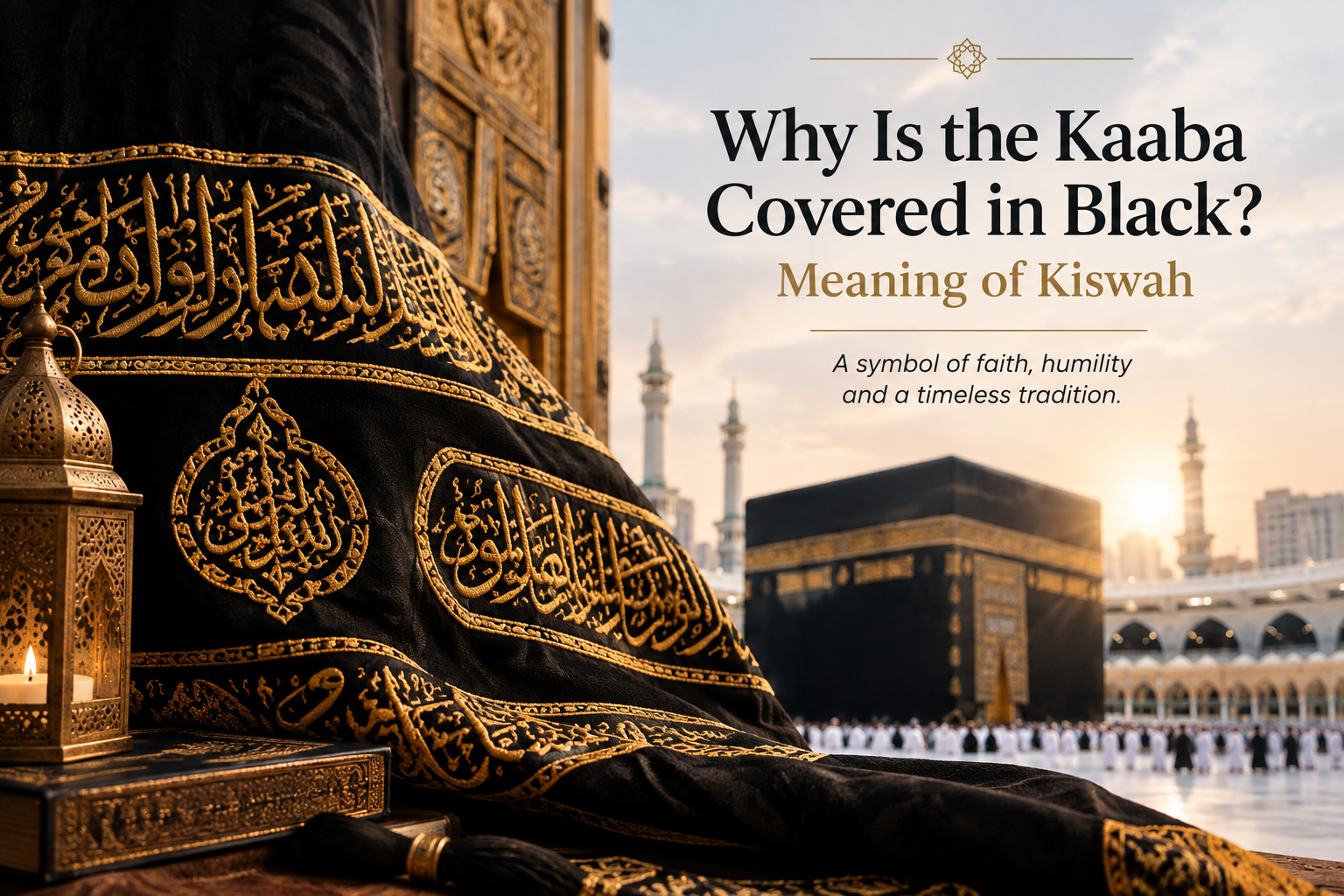
For centuries, pilgrims arriving in Makkah for Hajj and Umrah have been awestruck by the majestic sight of the Holy Kaaba draped in its dark, lustrous silk covering embroidered with gold calligraphy. Known as the Kiswah (or Ghilaf-e-Kaaba), this sacred mantle is instantly recognizable around the world.
However, many believers and history enthusiasts often ask: Why is the Kaaba covered in black? Has it always been black, and what spiritual meaning does this iconic color hold?
Here is the rich historical evolution and deep spiritual significance behind the black Kiswah.
1. Has the Kaaba Always Been Covered in Black?
Contrary to popular belief, the Kiswah was not always black. Throughout Islamic history, the leaders, caliphs, and rulers who held custodianship over Makkah draped the Kaaba in various colors depending on tradition, availability of textiles, and royal preference.
Pre-Islamic Era & Prophet Muhammad's (PBUH) Time:
Before Islam, rulers draped the Kaaba in woven palm leaves, fine Yemeni striped cloth (hibarah), or leather. Following the Conquest of Makkah, Prophet Muhammad (peace be upon him) draped the Kaaba in white and red striped Yemeni cloth.
The Rightly Guided Caliphs:
During the caliphates of Abu Bakr Al-Siddiq, Umar ibn Al-Khattab, and Uthman ibn Affan (may Allah be pleased with them), the Kaaba was draped in fine white Egyptian linen known as Qabati.
The Umayyad & Abbasid Eras:
The Umayyads used white silk, while early Abbasid caliphs draped the Kaaba in red, white, and green damasks.
The Transition to Black:
It was during the reign of the Abbasid Caliph An-Nasir Li-Din Allah in the late 12th century (circa 1200 CE) that black became the primary color. He initially draped the Kaaba in green silk and later switched to black silk. The black color proved durable, regal, and deeply striking against the surrounding white marble of the Haram—leading to its permanent adoption by the Mamluks, the Ottomans, and modern Saudi Arabia.
2. The Spiritual Symbolism of the Black Kiswah
In Islamic tradition and aesthetic design, the black color of the Kiswah carries profound spiritual layers:
A. Majesty, Dignity, and Reverence
Black is associated with solemnity, strength, and quiet majesty. The dark silk backdrop creates a striking contrast against the bright white marble of Mataf (the circumambulation area) and the white Ihram garments worn by millions of pilgrims. This visual harmony directs all focus toward the oneness of Allah (Tawhid).
B. Unity and Equality Before Allah
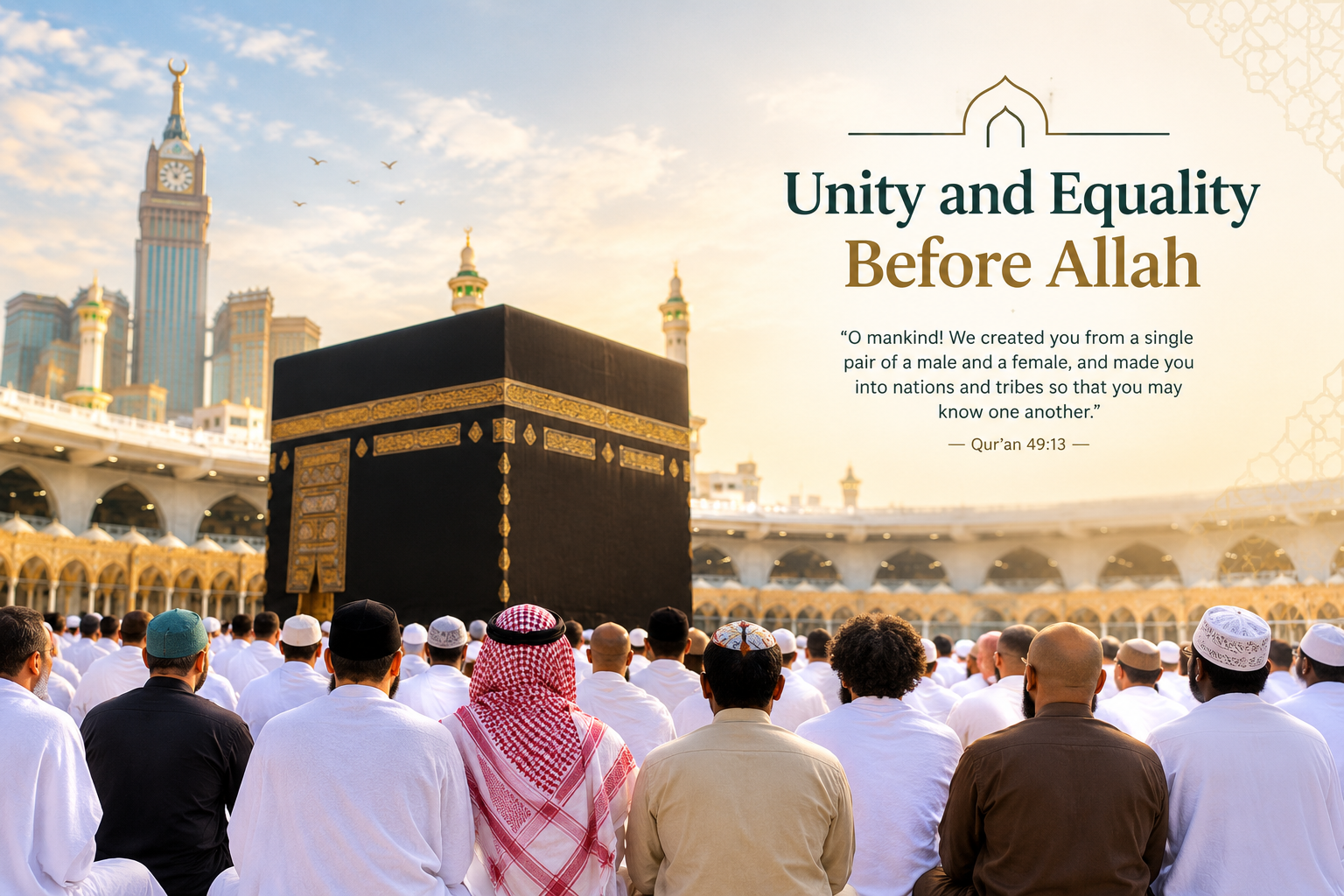
When pilgrims gather at the Sacred Mosque, everyone—regardless of ethnicity, social status, or wealth—wears simple white garments. The unified, towering black structure of the Kaaba serves as a single focal point (Qibla) unifying the entire Muslim Ummah toward one direction in prayer.
C. Luminescence of Gold Quranic Calligraphy
The dark black silk acts as a canvas for the heavy gold and silver embroidery. Verses of the Holy Quran, written in elegant Thuluth calligraphy, gleam vividly against the black fabric, symbolizing the divine light of Allah's word guiding humanity out of darkness.
3. How the Modern Black Kiswah Is Crafted
Today, the Kiswah is produced annually at the King Abdulaziz Complex for Holy Kaaba Kiswah in Makkah. It requires over 670 kilograms of raw natural silk—dyed pure black—and more than 120 kilograms of gold thread and 100 kilograms of silver thread.
A team of over 200 skilled Saudi artisans works meticulously year-round to weave, dye, and embroider the 14-meter-high silk panels, ensuring that this sacred tradition endures with unparalleled quality.
Own a Certified Piece of Sacred History
The black Kiswah is not merely a covering; it is a timeless symbol of devotion, unity, and Islamic heritage. Owning a piece of historic Ghilaf-e-Kaaba brings a tangible connection to the spiritual heart of Islam into your home.
At Kiswah Al Kaaba, we specialize in authentic, certified historical Kiswah fabric and luxury Islamic art heirlooms. Each piece is meticulously preserved and accompanied by an official certificate of authenticity.