Why Is Makkah So Sacred in Islam?
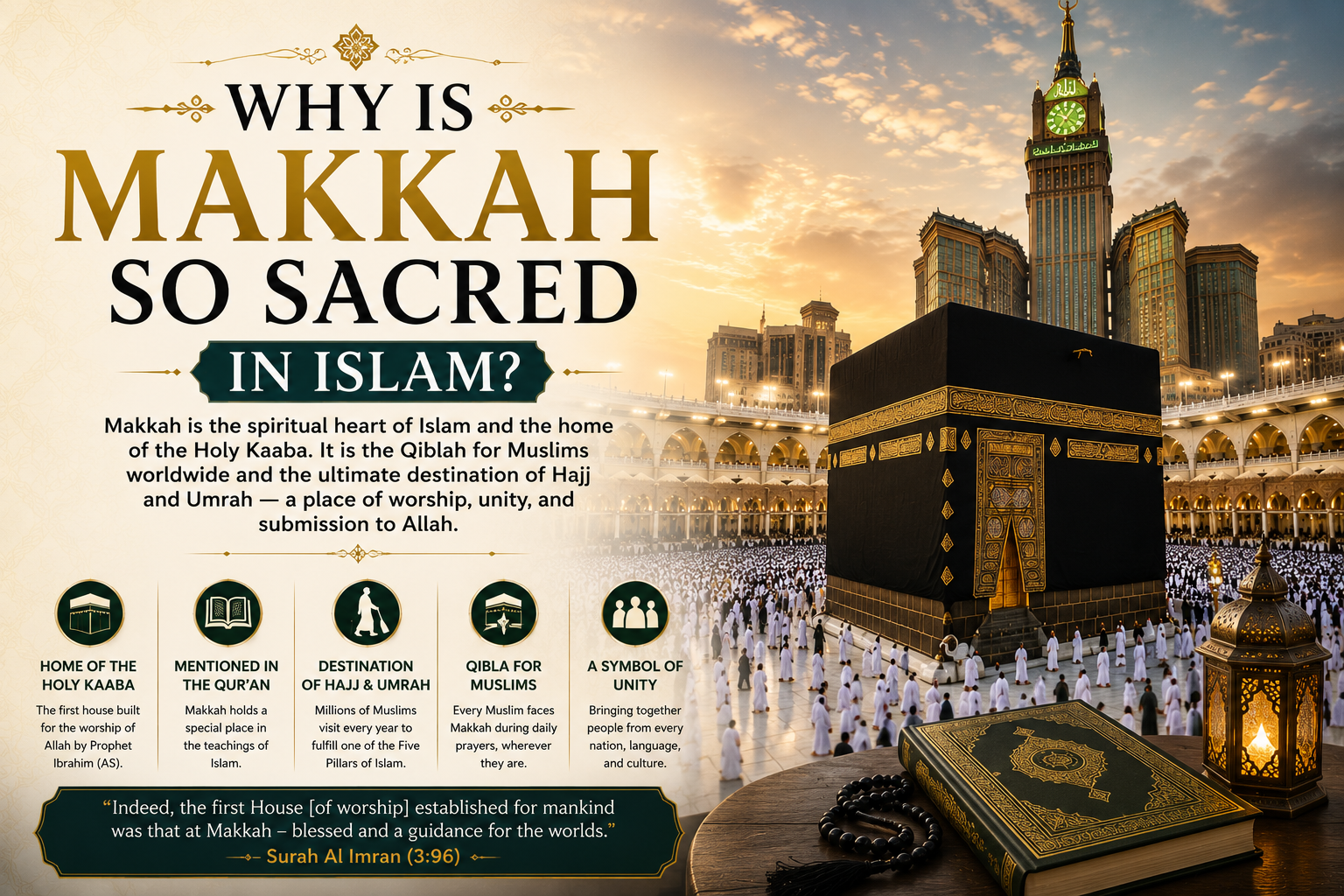
Makkah is home to the Holy Kaaba, the first house dedicated to the worship of Allah according to Islamic belief. It is also the birthplace of Prophet Muhammad ﷺ and the destination of the annual Hajj pilgrimage, one of the Five Pillars of Islam.
For Muslims, Makkah is not simply a historical city—it is the spiritual centre of the Islamic faith. Every Muslim faces the Kaaba during the five daily prayers regardless of where they live in the world.
Because of its unique religious status, access to the city is governed by Islamic principles and Saudi regulations.
Can Non Muslims Go to Mecca?
The most common question asked by travellers is can non Muslims go to Mecca?
Under Saudi law, non-Muslims are not allowed to enter the city of Makkah. Highways leading toward the city contain clearly marked checkpoints and road signs directing non-Muslim visitors onto alternative routes before reaching the sacred boundary.
This restriction applies whether someone is travelling for tourism, sightseeing, business, or personal interest.
The purpose of the rule is to preserve the religious sanctity of the city, which is reserved exclusively for Muslim worship and pilgrimage.
Why Are Non Muslims Not Allowed in Mecca?
Many people wonder why are non Muslims not allowed in Mecca.
The answer is rooted in Islamic teachings concerning the sacred nature of Makkah. The city has a special religious status that distinguishes it from every other place in the world.
The restriction reflects several principles:
Preserving the holiness of Islam's most sacred sanctuary.
Maintaining an environment dedicated entirely to worship.
Protecting the spiritual atmosphere during Hajj and Umrah.
Respecting long-established Islamic religious traditions.
It is important to understand that this rule is based on religious practice rather than hostility toward people of other faiths. Millions of non-Muslims visit Saudi Arabia each year for tourism, business, education, and employment outside the restricted areas.
Mecca Rules for Tourists
Understanding the Mecca rules for tourists helps visitors plan their travel responsibly.
Current regulations include:
Only Muslims may enter the city of Makkah.
Travellers approaching Makkah will encounter designated checkpoints.
Road signs clearly separate routes for Muslims and non-Muslims.
Tourists who are not Muslim should follow the alternative highways provided.
Attempting to enter restricted areas without authorisation may result in legal consequences.
Visitors planning a trip to Saudi Arabia should familiarise themselves with these regulations before travelling.
Can Non Muslims Visit Medina?
Another frequently asked question is can non Muslims visit Medina.
Unlike Makkah, the situation in Madinah is different.
Historically and under current regulations, non-Muslims may visit parts of the city of Madinah, although access to certain sacred areas—particularly the Prophet's Mosque (Al-Masjid an-Nabawi)—is restricted according to Saudi regulations.
Visitors should always respect local guidance, dress modestly, and observe religious customs while exploring the city.
Understanding the distinction between Makkah and Madinah helps travellers appreciate the different regulations that apply to each location.
Respecting Islamic Sacred Places
Every religion has places regarded as especially sacred, and Islam is no exception.
Just as some religious sites around the world maintain specific entry requirements, Makkah preserves its unique spiritual identity through carefully observed religious guidelines.
For Muslims, entering Makkah is an act of worship rather than sightseeing. The city's primary purpose remains the worship of Allah and the performance of Hajj and Umrah.
Respecting these traditions promotes mutual understanding between people of different cultures and faiths.
Experiencing Islamic Heritage Without Visiting Makkah
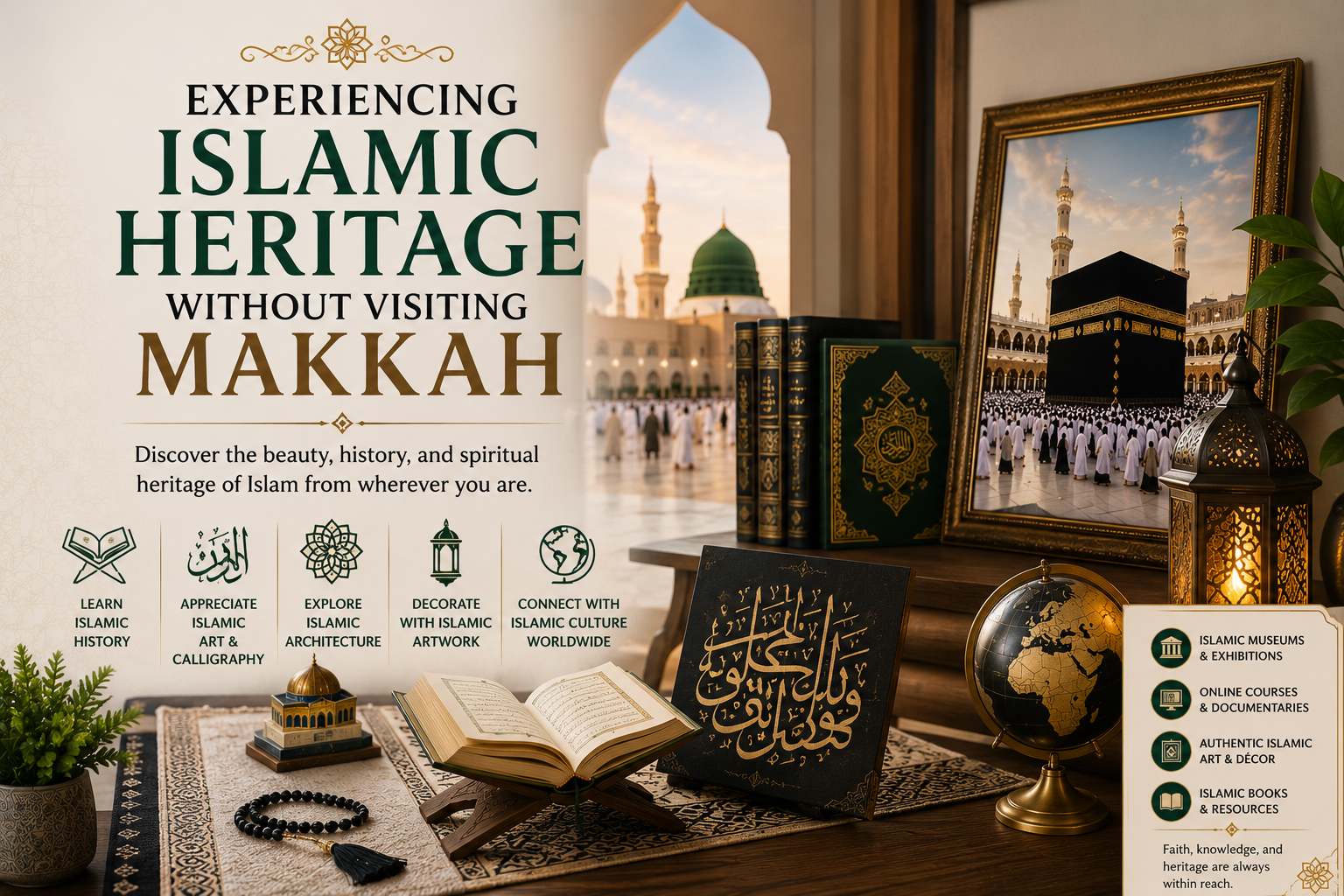
Although non-Muslims cannot enter Makkah, they can still learn about Islamic civilisation through museums, educational resources, exhibitions, and cultural collections.
Many people also appreciate authentic Islamic artifacts that preserve the artistic traditions of the Muslim world.
Examples include:
Islamic calligraphy.
Kiswah-inspired artwork.
Historical manuscripts.
Traditional Islamic textiles.
Architectural reproductions.
Museum-quality Islamic décor.
These pieces provide valuable insight into the rich history and craftsmanship associated with Islamic culture
Conclusion
The question can non Muslims go to Mecca reflects genuine curiosity about one of the world's most significant religious cities. While entry into Makkah is reserved exclusively for Muslims under Saudi law, understanding why are non Muslims not allowed in Mecca helps explain the city's exceptional spiritual importance within Islam.
Learning the Mecca rules for tourists and understanding whether can non Muslims visit Medina encourages respectful travel and greater appreciation of Islamic traditions. Even for those who cannot visit Makkah itself, exploring Islamic history through museums, educational resources, and authentic Islamic artifacts offers meaningful insight into one of the world's oldest and most influential faiths.