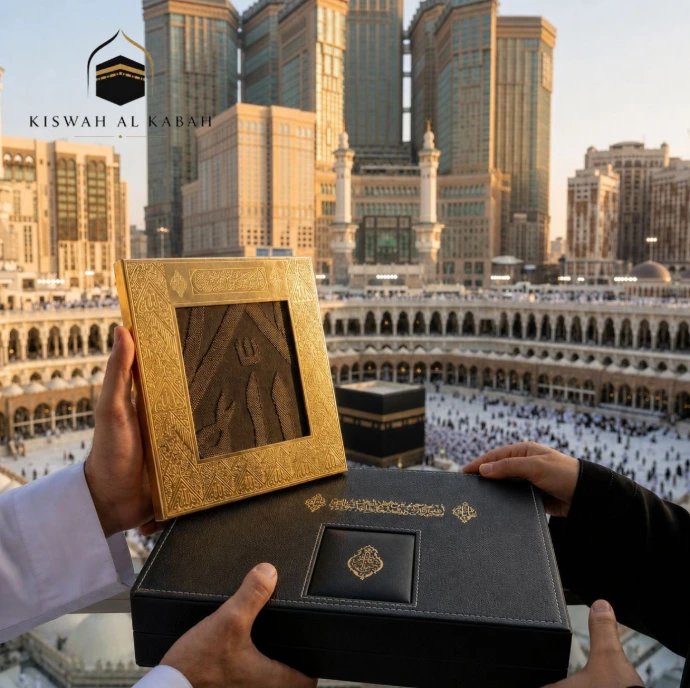
The Holy Kaaba in Makkah is the most sacred site in Islam and holds a special place in the hearts of Muslims around the world. One of the most remarkable features of the Kaaba is its beautiful black covering known as the Kiswah. Every year, millions of Muslims eagerly follow the tradition of the Kiswah replacement, a significant event that symbolizes respect, renewal, and devotion.
Many Muslims are already asking, "When will the Kaaba Kiswah be changed in 2026?" In this comprehensive guide, we'll explore the expected date, the history of the Kiswah, how it is made, why it is replaced annually, and what this sacred tradition means for Muslims worldwide.
What Is the Kaaba Kiswah?
The Kiswah is the black silk cloth that covers the Holy Kaaba. It is decorated with beautiful Quranic verses embroidered in gold and silver-colored threads. The Kiswah is considered one of the most iconic symbols of Islamic heritage and craftsmanship.
Each year, a new Kiswah is specially produced using premium-quality silk and intricate embroidery techniques. The process requires highly skilled artisans and months of dedicated work to complete.
The Kiswah serves not only as a covering for the Kaaba but also as a symbol of honor and reverence for Islam's holiest site.
When Will the Kaaba Kiswah Be Changed in 2026?
Traditionally, the Kaaba Kiswah is replaced on the 1st of Muharram, the first day of the Islamic New Year.
Based on current Islamic calendar projections, the Kiswah is expected to be changed around mid-June 2026, although the exact Gregorian date may vary depending on the official moon sighting and announcements by Saudi Arabian authorities.
Since the Islamic calendar follows lunar months, dates shift slightly every year in comparison to the Gregorian calendar. Therefore, Muslims should follow official announcements closer to the event for confirmation of the exact date.
Why Is the Kiswah Changed Every Year?
The annual replacement of the Kiswah is a longstanding Islamic tradition that reflects care and respect for the Holy Kaaba.
Several reasons contribute to the yearly replacement:
1. Preservation of Quality
Throughout the year, the Kiswah is exposed to environmental factors such as heat, dust, wind, and rain. Replacing it ensures that the Kaaba remains covered with a pristine and dignified cloth.
2. Symbol of Renewal
The annual replacement symbolizes renewal and continuity in Islamic tradition. It highlights the ongoing dedication to preserving one of Islam's most sacred landmarks.
3. Maintaining Beauty and Excellence
The Kaaba receives millions of visitors annually. A new Kiswah helps maintain its majestic appearance and reflects the excellence associated with Islamic heritage.
How Is the Kaaba Kiswah Made?
The production of the Kiswah is a remarkable process involving advanced craftsmanship and meticulous attention to detail.
Premium Silk Fabric
The Kiswah is produced using high-quality black silk specially prepared for durability and elegance.
Quranic Embroidery
Verses from the Holy Quran are embroidered onto the cloth using gold and silver-colored threads. These inscriptions are carefully designed and handcrafted by skilled artisans.
Detailed Manufacturing Process
The production process includes:
Silk preparation
Dyeing the fabric black
Weaving and stitching
Embroidery of Quranic verses
Final assembly and quality inspections
Creating a new Kiswah takes many months and involves extensive expertise.
The Historical Tradition of Changing the Kiswah
The tradition of covering the Kaaba dates back many centuries. Throughout Islamic history, rulers and leaders have contributed to the maintenance and replacement of the Kiswah.
Over time, the materials and techniques have evolved, but the spiritual significance of the practice remains unchanged.
Today, the annual replacement ceremony continues to be one of the most important symbolic events associated with the Holy Kaaba.
What Happens to the Old Kiswah?
One of the most frequently asked questions concerns the previous Kiswah after it is replaced.
After the annual replacement, the old Kiswah is carefully removed. Historically, portions of previous Kiswah coverings have been preserved and appreciated as valuable pieces of Islamic heritage.
These preserved sections are often admired for their craftsmanship, Quranic calligraphy, and historical significance.
Why Do Muslims Around the World Follow the Kiswah Replacement?
The annual Kiswah replacement attracts attention from Muslims worldwide because it represents:
Respect for the Holy Kaaba
Preservation of Islamic traditions
Exceptional Islamic craftsmanship
A connection to Islamic history and heritage
Many Muslims view the event as a reminder of unity, faith, and devotion.
Interesting Facts About the Kaaba Kiswah
It Takes Months to Produce
Creating a new Kiswah requires extensive planning and skilled labor over several months.
Features Quranic Verses
The cloth contains beautifully embroidered Quranic verses and Islamic inscriptions.
One of the Most Recognized Symbols in Islam
The Kaaba Kiswah is instantly recognizable to Muslims around the globe and is closely associated with the spiritual significance of Makkah.
Replaced Annually
The replacement ceremony is a unique tradition that continues every year, preserving centuries of Islamic heritage.
Visiting Makkah During the Kiswah Change
For Muslims visiting Makkah around the Islamic New Year, witnessing the period of the Kiswah replacement can be a memorable experience.
Although access to the actual replacement process is restricted and managed by authorities, pilgrims often appreciate being present in the city during this significant time.
Visitors should always follow official guidance and regulations while performing Umrah or other religious activities.
Final Thoughts
The annual replacement of the Kaaba Kiswah is one of the most meaningful traditions in the Islamic world. In 2026, the Kiswah is expected to be changed on 1 Muharram 1448 AH, which is projected to fall around June 2026, subject to official moon sighting confirmation.
Beyond the date itself, the event represents centuries of Islamic heritage, exceptional craftsmanship, and deep reverence for the Holy Kaaba. For Muslims worldwide, the changing of the Kiswah serves as a powerful reminder of faith, unity, and the enduring beauty of Islamic traditions.
As the 2026 Kiswah replacement approaches, Muslims across the globe will once again reflect on the significance of this sacred event and the timeless connection it represents with Islam's holiest site.