What Makes an Authentic Islamic Textile Valuable? A Complete Guide for Collectors and Buyers
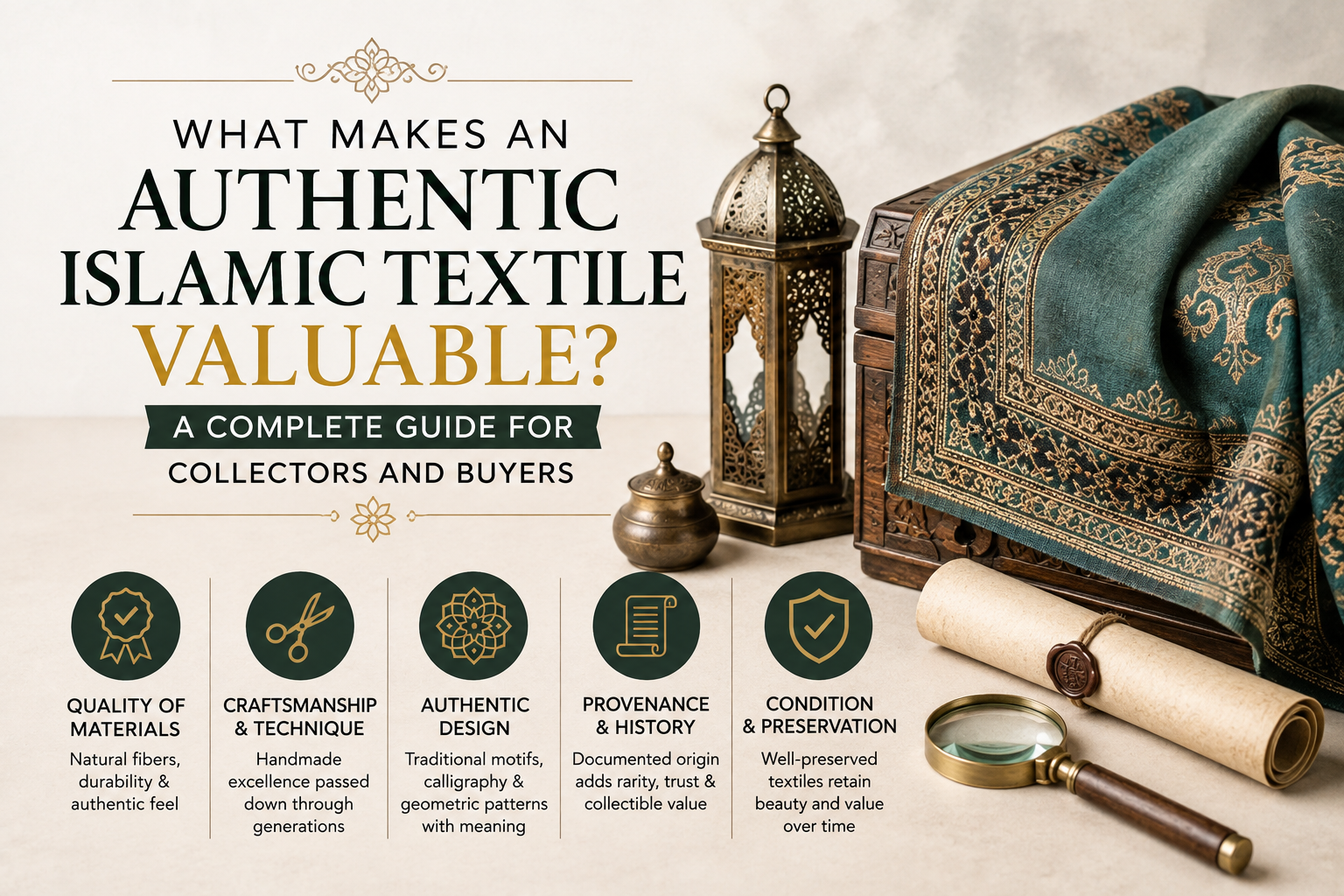
Islamic textiles are far more than decorative fabrics. They can preserve religious traditions, artistic techniques, historical stories, and cultural memories that have passed through generations. For collectors, the real value of a textile often comes from the combination of craftsmanship, history, authenticity, condition, provenance, and cultural significance.
This is especially true when discussing textiles connected with Makkah, the Kaaba, and other important Islamic heritage. A genuine piece can represent an extraordinary connection to Islamic history, while an inaccurately described or poorly documented piece may have considerably less significance.
For anyone searching for Authentic Islamic antiques UK, understanding what makes an Islamic textile valuable is essential before making a purchase.
1. Authenticity Comes First
The most important factor is authenticity.
An Islamic textile should have a credible history that supports what it is claimed to be. Buyers should ask where the piece originated, when it was produced, who previously owned it, and whether supporting documentation is available.
Authenticity is particularly important for textiles described as originating from Makkah or being connected with the Kiswah of the Holy Kaaba. The significance of such material depends heavily on its genuine history rather than appearance alone.
A black textile with gold embroidery may resemble a Kiswah fragment, but visual similarity does not establish provenance. Collectors should therefore examine documentation, seller information, material characteristics, craftsmanship, and any available historical records.
2. Provenance Can Increase Historical Importance
Provenance refers to the documented history of ownership and origin of an object.
For collectors, strong provenance can make a textile considerably more desirable. A documented chain of ownership provides greater confidence that an item is what the seller claims it to be.
Museum collections demonstrate the importance of recording details such as geographical attribution, materials, dimensions, dates, and acquisition history. The Metropolitan Museum of Art, for example, maintains detailed records for Islamic textile fragments, including their materials, estimated dates, geographical attribution, and provenance information.
When evaluating a heritage textile, buyers should look for:
Previous ownership information
Place and approximate date of origin
Acquisition records
Supporting certificates
Expert assessments
Photographs or archival documentation
Consistent descriptions from the seller
The stronger the documentation, the easier it becomes to understand an object's historical journey.
3. Materials Matter
The materials used in an Islamic textile can also influence its significance.
Historic Islamic textiles may incorporate silk, cotton, linen, wool, metallic threads, embroidery, woven patterns, and other specialized materials. The combination of material and technique can help identify the period, region, and intended purpose of a textile.
Kiswah is an excellent example. Contemporary production of the Kaaba covering involves natural silk together with gold and silver embroidery. Saudi Press Agency reports that the current Kiswa is produced through multiple stages, including washing, weaving, printing, embroidery, assembly, and inspection.
The materials alone, however, do not prove authenticity. They should always be considered alongside provenance and craftsmanship.
4. Craftsmanship Creates Distinction
Exceptional workmanship is another characteristic collectors should examine carefully.
Islamic textile traditions are known for detailed weaving, embroidery, calligraphy, geometric compositions, and decorative patterns. Fine workmanship can reveal the skill and techniques used by the original makers.
The Kiswa demonstrates this relationship between craftsmanship and heritage. Quranic verses and Arabic calligraphy are embroidered onto black silk using gold-plated silver threads, with precise patterns and traditional calligraphic styles.
Small details can therefore matter greatly. Collectors should inspect:
Stitch consistency
Embroidery precision
Calligraphic accuracy
Thread quality
Fabric construction
Pattern symmetry
Signs of hand craftsmanship
Evidence of later alterations
A textile's craftsmanship should correspond logically with its claimed origin and age.
5. Cultural and Religious Significance
Not every valuable textile has to be extremely old.
A relatively modern textile can possess enormous cultural significance if it has an authentic connection to an important religious or historical tradition.
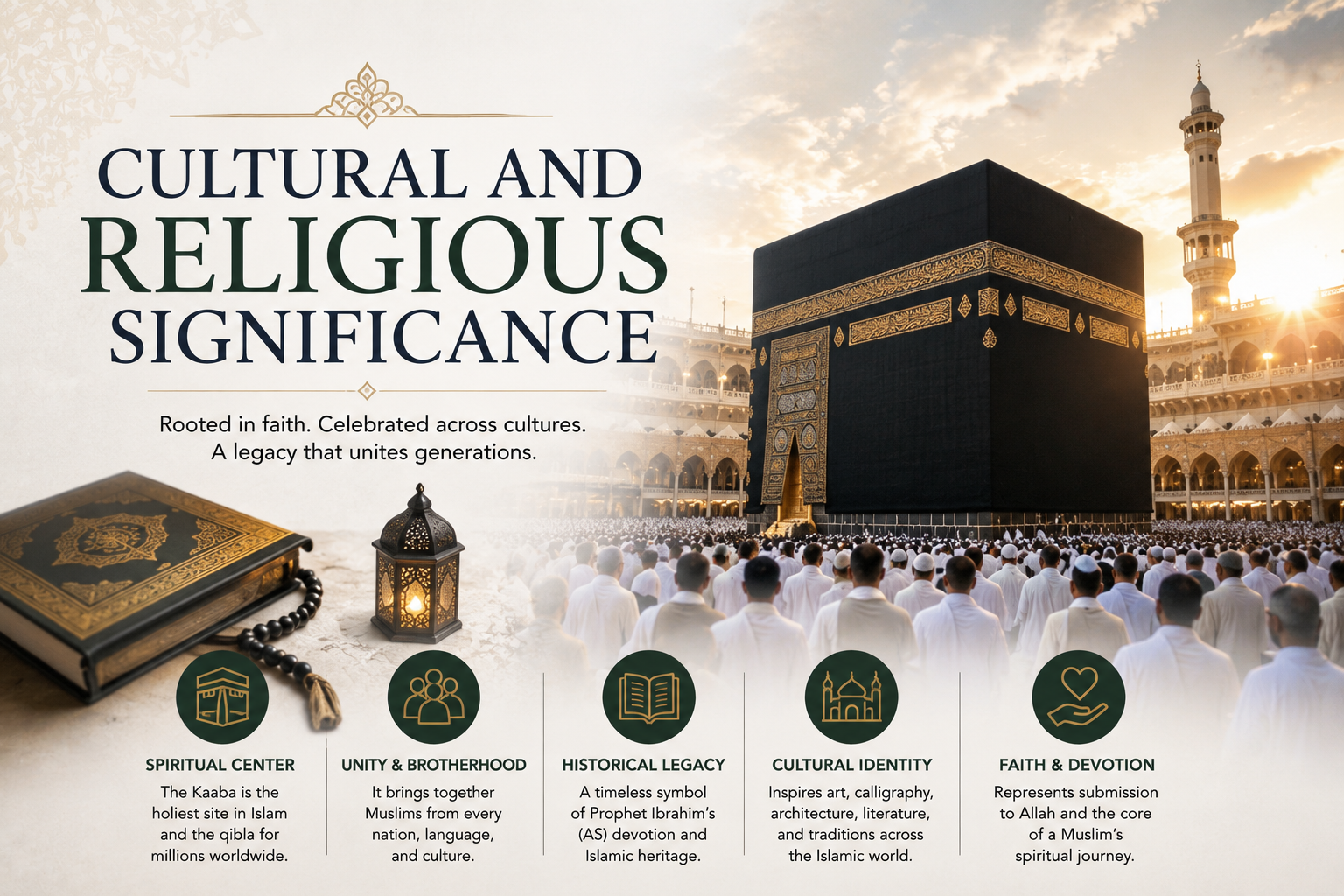
The Kiswah of the Holy Kaaba is a powerful example. It is renewed according to an established tradition, and its manufacture involves specialized craftsmen, carefully selected materials, calligraphy, embroidery, weaving, and detailed inspection. The 1448 AH Kiswa produced in 2026 consisted of 47 black silk pieces and incorporated Quranic verses embroidered with silver thread plated with 24-karat gold.
This illustrates an important principle for collectors: historical importance and age are not always the same thing.
A textile's connection to a major Islamic institution, place, tradition, or event can significantly influence its importance.
6. Condition Should Be Examined Carefully
Condition is another major consideration.
Textiles are vulnerable to humidity, sunlight, insects, improper handling, folding, abrasion, and chemical deterioration. Even authentic pieces can lose aesthetic and structural integrity when they have been poorly stored.
Collectors should examine the fabric for:
Tears
Staining
Fading
Brittle fibres
Missing embroidery
Previous repairs
Loose threads
Discoloration
Water or pest damage
Importantly, restoration does not automatically make a textile undesirable. Professional conservation can sometimes protect an important object for future generations.
Major museums place considerable emphasis on textile preservation, documentation, conservation, handling, and storage because textile materials require specialized care.
7. Documentation Adds Confidence
When purchasing a significant heritage textile, documentation should never be treated as an unnecessary extra.
A Certificate of authenticity for Makkah heritage items can provide useful information about what the item is claimed to be, its characteristics, and its source. Buyers should carefully review what the certificate actually confirms rather than assuming that every certificate carries the same evidential value.
A useful certificate should be specific rather than vague. Ideally, documentation should identify the item, describe its materials and dimensions, provide relevant provenance information, and identify the issuing party.
Collectors should also distinguish between a certificate issued by a knowledgeable specialist and a generic document created solely for a commercial transaction.
8. What Makes Certified Islamic Art Attractive to Collectors?
Collectors seeking Certified Islamic art for collectors often look beyond appearance.
They may consider authenticity, documentation, artistic quality, rarity, cultural importance, condition, provenance, and long-term preservation.
Rare textiles can be particularly appealing because fabric is inherently vulnerable to deterioration. Surviving examples can therefore provide valuable evidence of historical artistic practices.
Museum collections contain Islamic textile examples spanning centuries, including embroidered linen, silk, cotton, brocaded fabrics, and other textile traditions from different regions.
This diversity demonstrates that Islamic textile heritage is not limited to one material, country, or artistic style.
9. Rarity Is Important, But Rarity Alone Is Not Enough
Collectors often associate rarity with high value, but rarity should be evaluated carefully.
An item may be uncommon because very few examples survived. Another may be rare because it was produced for a particular purpose or institution. However, scarcity without credible authenticity does not necessarily create collectible value.
For people researching Rare Islamic heritage artifacts UK, the better approach is to consider rarity together with provenance, condition, cultural relevance, craftsmanship, and documentation.
A genuinely rare textile with strong supporting evidence is much more compelling than an allegedly rare piece with an uncertain history.
10. Is Investing in Islamic Textile Art a Good Idea?
Investing in authentic Islamic textile art UK requires a long-term perspective.
Collectors should avoid treating heritage textiles as guaranteed financial investments. Market values can change according to provenance, demand, scholarship, condition, rarity, and broader collecting trends.
The strongest reason to acquire an authentic Islamic textile should be its cultural, artistic, and historical importance. Potential financial appreciation may be an additional consideration, but it should not replace careful research.
Before purchasing an expensive piece, buyers should compare documentation, seek specialist opinions when necessary, understand the seller's reputation, and maintain complete records of their acquisition.
11. A Practical Checklist Before Buying
Before purchasing an Islamic textile, ask these questions:
Is its origin documented?
Look for credible information about where and when the piece originated.
Is the provenance clear?
A documented ownership history can strengthen confidence.
Are the materials consistent with its description?
Silk, cotton, linen, metallic threads, and other materials can provide useful clues.
Is the craftsmanship convincing?
Examine weaving, embroidery, calligraphy, stitching, and finishing.
What is its condition?
Identify damage, repairs, alterations, fading, and conservation work.
Is there authentication documentation?
Review certificates carefully and determine exactly what they establish.
Does the price reflect the evidence?
A prestigious description should be supported by equally strong documentation.
Conclusion
The value of an authentic Islamic textile comes from much more than its appearance. Authenticity, provenance, craftsmanship, materials, condition, rarity, cultural significance, and documentation all contribute to its importance.
For collectors and buyers exploring Islamic heritage, careful research is essential. A meaningful textile should tell a credible story about its origin and craftsmanship rather than relying solely on attractive embroidery or religious symbolism.
At Kiswah Al Kabah, the connection between Islamic textile craftsmanship and the heritage of Makkah makes authentic textile pieces especially meaningful for collectors who value history, artistry, and faith-inspired heritage.
Whether you are researching Authentic Islamic antiques UK, looking for Rare Islamic heritage artifacts UK, considering Certified Islamic art for collectors, exploring Investing in authentic Islamic textile art UK, or seeking a Certificate of authenticity for Makkah heritage items, always place authenticity and documentation at the heart of your decision.
A genuine Islamic textile is not simply a piece of fabric. It can be a tangible reminder of craftsmanship, history, culture, and an enduring Islamic artistic tradition.