What Is Rabi ul Awwal? History, Importance and Significance in Islam
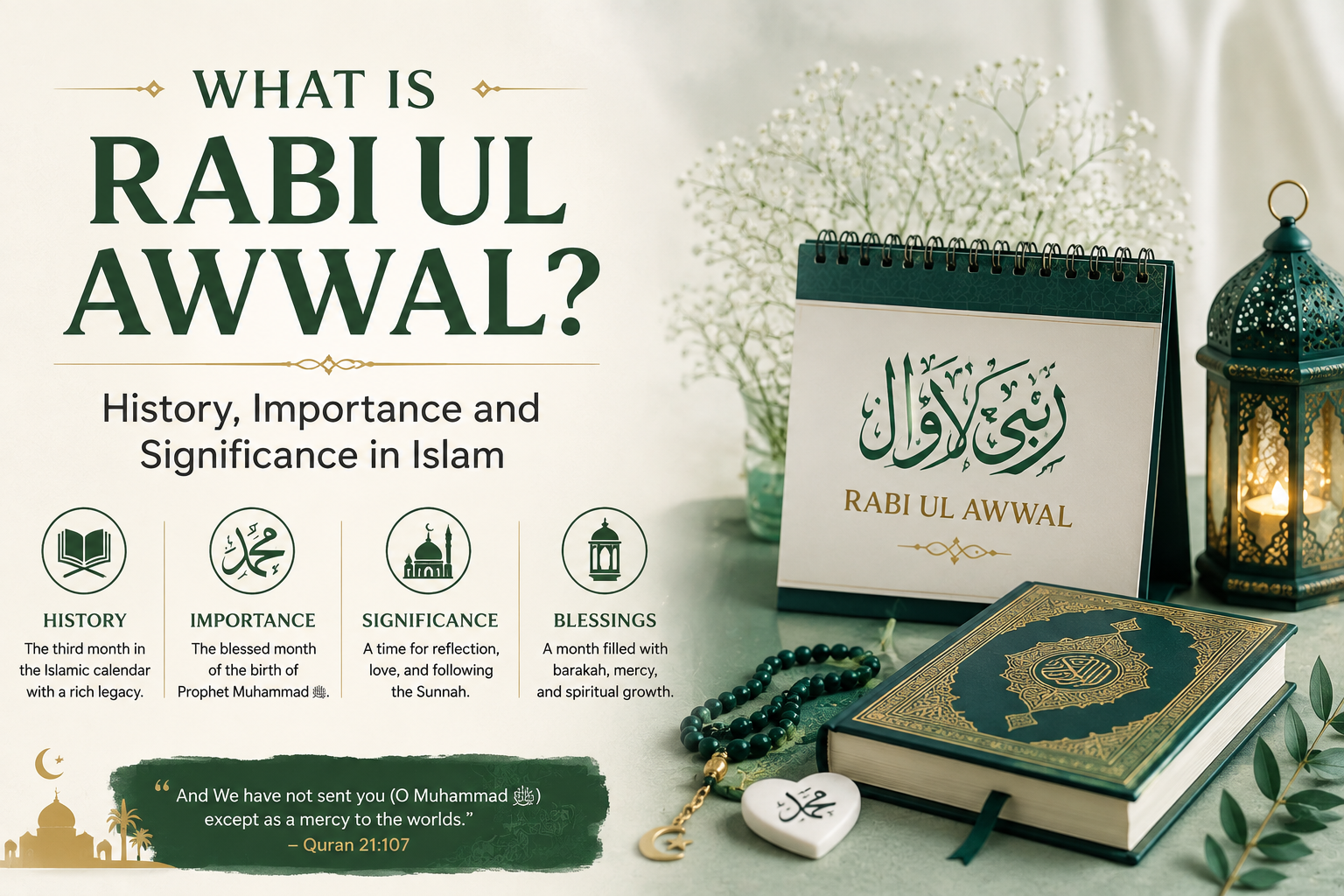
Rabi ul Awwal is the third month of the Islamic lunar calendar and holds a special place in Muslim history. The month is closely associated with the life of Prophet Muhammad ﷺ, making it a period when many Muslims reflect on his character, teachings, struggles, and legacy.
People often ask, What is Rabi ul Awwal, and why does this month receive so much attention? The answer involves Islamic history, the Seerah of the Prophet ﷺ, and different traditions followed by Muslim communities around the world.
While many Muslims use Rabi ul Awwal to increase their study of the Prophet's ﷺ life, Muslims differ regarding formal celebrations during the month. Understanding these perspectives helps provide a balanced view of its importance.
What Is Rabi ul Awwal?
Rabi ul Awwal is the third month of the Hijri calendar. Unlike the Gregorian calendar, which follows the solar year, the Islamic calendar follows lunar cycles.
A lunar year is shorter than a solar year, so Rabi ul Awwal moves through different seasons over the years. The beginning of the month depends on the lunar calendar system followed by a particular community.
The name Rabi ul Awwal is traditionally understood as referring to the first spring period, although the month no longer remains connected to spring because the Islamic calendar moves through the seasons.
For Muslims, its significance is primarily connected with events from the life and history of Prophet Muhammad ﷺ.
Rabi ul Awwal History and Significance
The Rabi ul Awwal history and significance are strongly connected with the Prophet ﷺ.
According to the widely followed traditional account, Prophet Muhammad ﷺ was born during Rabi ul Awwal in Makkah. The exact historical date of his birth has been discussed by scholars, and different dates have been reported in historical sources.
Rabi ul Awwal is also associated with the migration of the Prophet ﷺ to Madinah and his arrival there, although historical details surrounding dates should be understood carefully.
Another major event connected with the month is the passing of Prophet Muhammad ﷺ in Madinah in 11 AH. Many Muslims therefore remember Rabi ul Awwal not only in connection with his birth but also with the final part of his earthly life and his enduring message.
Importance of Rabi ul Awwal in Islam
The Importance of Rabi ul Awwal in Islam comes from its connection with the Seerah and legacy of the Prophet ﷺ rather than from a universally prescribed special ritual for the entire month.
The Quran instructs Muslims to follow and take guidance from the Messenger of Allah ﷺ. Studying his life can therefore help Muslims understand how Islamic principles were demonstrated through patience, honesty, mercy, justice, worship, family life, and treatment of others.
During Rabi ul Awwal, many Muslims dedicate additional time to reading Seerah books, attending educational talks, listening to religious lectures, and teaching children about the Prophet's ﷺ character.
These activities can turn remembrance into practical learning.
Why Is Rabi ul Awwal So Important to Muslims?
The question Why is Rabi ul Awwal so important to Muslims can be answered by considering the central position of Prophet Muhammad ﷺ in Islam.
Muslims believe that he was the final Messenger of Allah and that the Quran was revealed to him. His life provides an important example of how Muslims understand and practise their faith.
Rabi ul Awwal therefore encourages many Muslims to reflect on qualities demonstrated throughout his life.
His honesty before prophethood, patience during persecution, compassion toward others, commitment to justice, forgiveness, humility, and devotion to Allah remain important subjects of Islamic education.
For many families, the month becomes an opportunity to introduce younger generations to the Seerah and help them understand that love for the Prophet ﷺ is connected with learning from his example.
Is Mawlid Observed During Rabi ul Awwal?
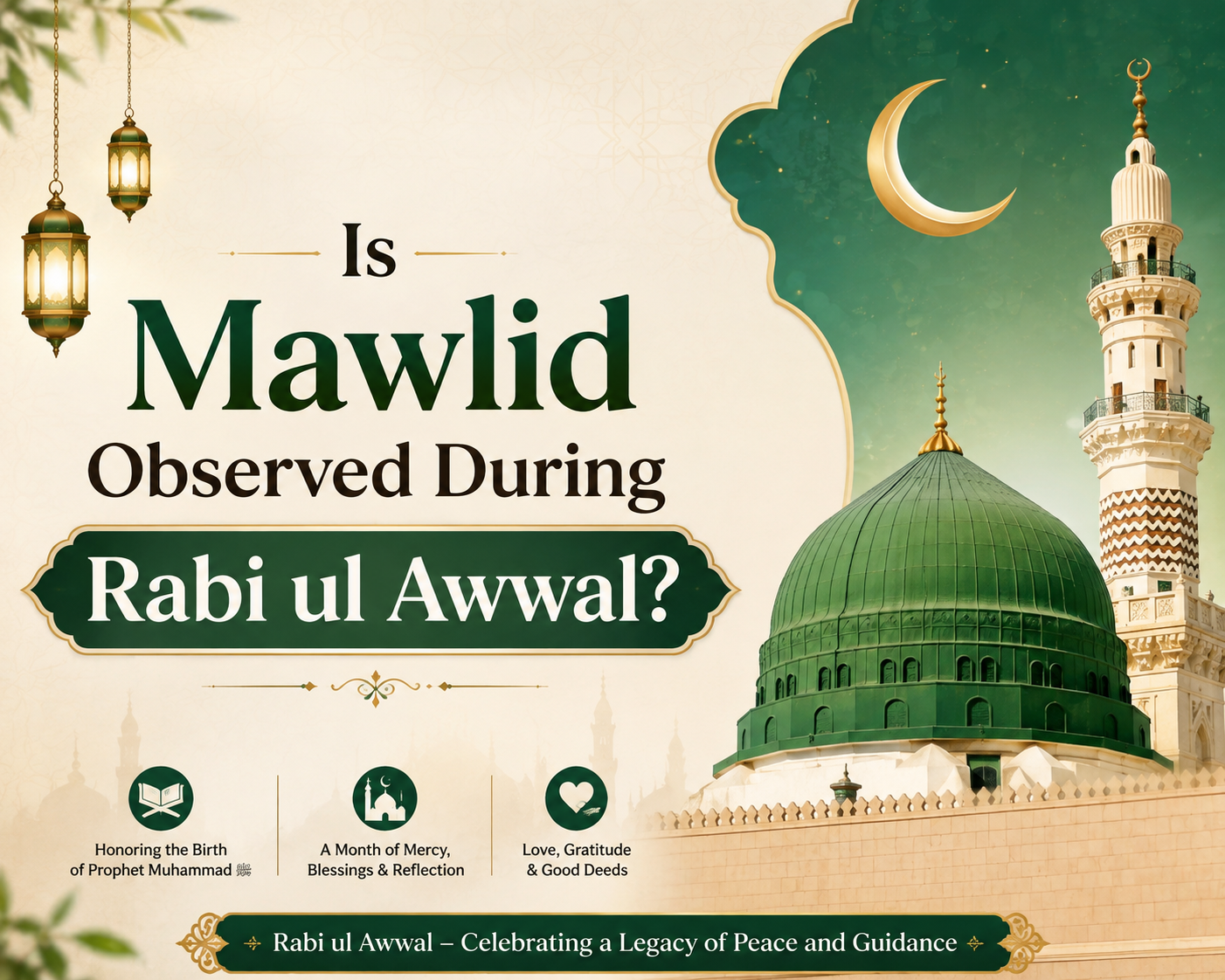
Many Muslim communities observe Mawlid, also called Milad or Eid Milad un Nabi, during Rabi ul Awwal. Gatherings may include Seerah discussions, Quran recitation, devotional poetry, religious lectures, charity, and community meals.
However, Muslims do not have a single position on Mawlid.
Some scholars and communities consider commemorating the Prophet's ﷺ birth a permissible expression of love and remembrance when conducted within Islamic principles. Other scholars and communities do not regard an annual Mawlid celebration as an established religious practice because it was not observed in this form by the earliest generations of Muslims.
Therefore, it is important not to present one approach as universal. Muslims can respectfully recognise these differences while discussing the historical importance of the month.
Is Fasting on 12th Rabi ul Awwal Sunnah?
The question Fast on 12th Rabi ul Awwal Sunnah requires particular care.
There is no established authentic Sunnah prescribing a special fast specifically for 12 Rabi ul Awwal.
The Prophet ﷺ did encourage voluntary fasting on Mondays. In an authentic hadith, he explained that Monday was the day on which he was born and the day revelation came to him. This is reported in Sahih Muslim.
Therefore, Muslims may fast on a Monday as a voluntary Sunnah, but this should not be confused with a specific Sunnah requiring Muslims to fast because it is 12 Rabi ul Awwal.
People should distinguish between an established voluntary practice and a ritual specifically assigned to a particular date without clear evidence.
How Can Muslims Benefit From Rabi ul Awwal?
Rabi ul Awwal can be used as a period for meaningful Islamic learning.
Muslims may:
Read reliable Seerah literature.
Study authentic hadith.
Learn about the Prophet's ﷺ character.
Teach children about his life.
Increase charity and kindness.
Reflect on personal behaviour.
Send blessings upon the Prophet ﷺ.
Apply his teachings to everyday relationships.
The value of remembering the Prophet ﷺ should not be limited to one month. His example is relevant throughout the entire year.
Rabi ul Awwal and Islamic History
Rabi ul Awwal provides an opportunity to connect Islamic faith with history. Studying the Prophet's ﷺ biography reveals how the early Muslim community developed through periods of hardship, migration, community building, and social change.
The Seerah also demonstrates that Islamic teachings were lived through real circumstances. The Prophet ﷺ faced opposition, loss, responsibility, and difficult decisions while continuing his mission.
Learning these events can help readers understand Islamic principles within their historical context instead of treating them as isolated teachings.
Final Thoughts
Rabi ul Awwal is an important month in Islamic history because of its connection with Prophet Muhammad ﷺ. Understanding What is Rabi ul Awwal, its history, and its relationship with the Prophet's ﷺ life can encourage deeper appreciation of the Seerah.
The Rabi ul Awwal history and significance are particularly meaningful to Muslims who use the month for education, reflection, charity, and remembrance. The Importance of Rabi ul Awwal in Islam should, however, be discussed alongside the recognition that Muslims have different views regarding Mawlid.
There is also no specific authentic Sunnah requiring a fast on 12 Rabi ul Awwal. Voluntary Monday fasting has its own established basis, but it should not be presented as a special fast for this date.
Ultimately, Rabi ul Awwal can serve as a valuable reminder of the Prophet's ﷺ extraordinary example. Learning about his mercy, patience, honesty, worship, leadership, and compassion can inspire Muslims to bring those qualities into their own lives throughout the year.