10 Fascinating Facts About the Kaaba Every Muslim Should Know
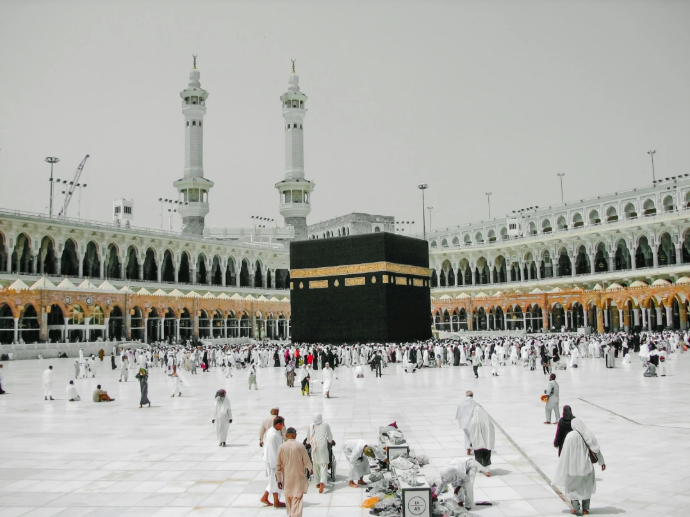
At the center of Masjid al-Haram in Makkah stands the Kaaba, the most sacred structure in Islam. Muslims across the globe face this holy building during their daily prayers, making it the spiritual focal point of the Muslim world.
Every year millions of pilgrims travel to Makkah to perform Tawaf around the Kaaba during Hajj and Umrah. While most Muslims know the Kaaba as the house of Allah, there are many fascinating facts about this sacred structure that make its history even more remarkable.
The Kaaba Is the Qibla for Muslims Worldwide
The Kaaba determines the Qibla, the direction Muslims face during prayer.
No matter where Muslims live in the world, they turn toward the Kaaba while performing Salah. This practice symbolizes unity and shared faith among Muslims globally.
Many believers who want to understand the historical background of the Kaaba explore the detailed historical explanations of the Kaaba in Islamic tradition, which describe how it became the center of Muslim worship.
The Kiswah Is Replaced Every Year
The Kaaba is covered with the Kiswah, a black silk cloth embroidered with Quranic verses in gold thread.
This sacred cloth is replaced every year during the Hajj season as part of the long-standing traditions connected with the Kaaba.
For those fascinated by the beauty and craftsmanship of the Kaaba covering, heritage-inspired items reflecting the sacred Kiswah can be discovered through the curated collections showcased by Kiswah Al Kabah, which focuses on artistic representations of the Kaaba’s covering.
Pilgrims interested in Kaaba-inspired gifts also explore selections available through Kiswah Islamic Store, where Islamic decor and souvenirs inspired by the sacred sanctuary can be found.
The Black Stone Has a Unique History
The Black Stone is located on the eastern corner of the Kaaba.
During Tawaf, pilgrims try to touch or gesture toward the stone while circling the Kaaba. This practice is deeply rooted in Islamic tradition and has been followed for centuries.
The Kaaba Has Been Reconstructed Multiple Times
Throughout history the Kaaba has undergone several reconstructions due to natural disasters and structural repairs.
Despite these renovations, the spiritual significance of the Kaaba has remained unchanged.
The Kaaba Door Is Made of Gold
The Kaaba’s door is one of its most striking features.
Made of solid gold, the door is located several feet above ground level. It is opened only during special ceremonies such as the ritual cleaning of the Kaaba.
The Interior of the Kaaba Contains Pillars
The interior of the Kaaba includes marble floors and wooden pillars that support the structure.
Only a very small number of people are permitted to enter the Kaaba during special occasions, which adds to its spiritual mystery.
The Kaaba Is the Most Visited Religious Site in the World
Every year millions of Muslims visit the Kaaba for pilgrimage.
During Hajj season the courtyard surrounding the Kaaba becomes one of the most crowded yet spiritually powerful places on earth.
Conclusion
The Kaaba is not just a structure of stone; it represents the heart of Islamic worship and unity.
Its history, the sacred Kiswah covering, the Black Stone, and the rituals performed around it all contribute to its deep spiritual significance.
For Muslims who wish to keep a connection with the sacred sanctuary, Kaaba-inspired artwork and Kiswah themed items available through Kiswah Al Kabah help bring a symbolic reminder of the holy house into their homes.