The Kaaba in Makkah holds a special place in the hearts of Muslims around the world. During Hajj and Umrah, pilgrims visit the Sacred Mosque to perform worship, make dua, and seek closeness to Allah. Among the spiritually significant places near the Kaaba is Multazam, an area associated with sincere supplication and personal prayers.
But what is Multazam, where is it located, and what dua can Muslims make there? Understanding its location, religious significance, and recommended etiquette can help pilgrims appreciate this sacred place during their visit to Masjid al-Haram.
What Is Multazam in the Kaaba?
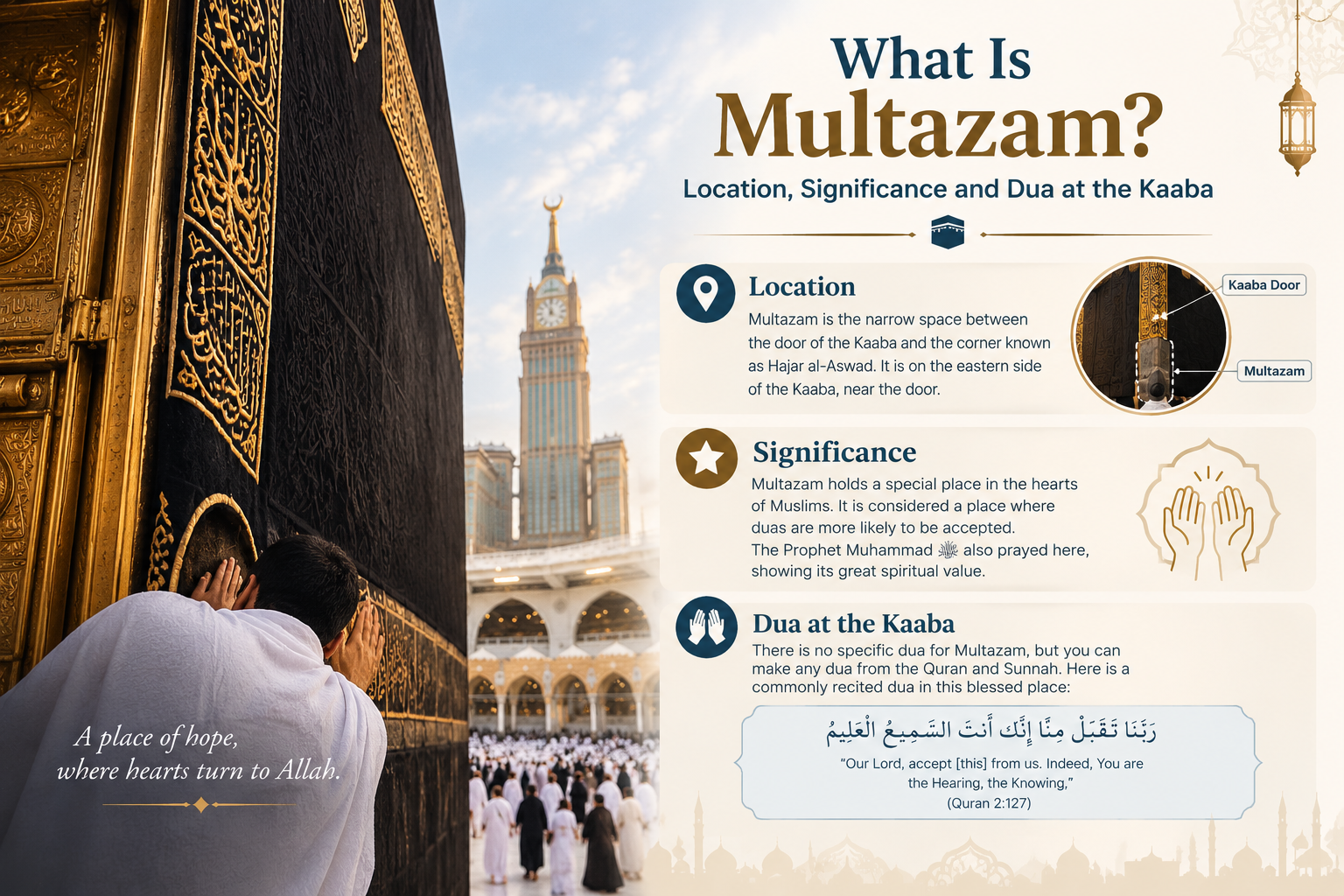
Multazam is the section of the Kaaba's wall between the Black Stone (Hajar al-Aswad) and the door of the Kaaba. The name is commonly associated with holding closely to or clinging to something.
Many Muslims regard Multazam as a special place to make heartfelt dua. Pilgrims who can safely reach this area may stand near the wall, raise their hands, and ask Allah for forgiveness, guidance, mercy, and blessings.
The practice is connected with reports about supplication at this location. However, Muslims should understand that dua can be made anywhere, and visiting Multazam is not a required part of Hajj or Umrah.
Where Is Multazam Located?
Multazam is located on the eastern wall of the Holy Kaaba, between the Black Stone and the Kaaba's entrance door.
It is a relatively small section of the wall, which means it can become crowded, particularly during Ramadan, Hajj, and busy Umrah seasons. Visitors may find it difficult to approach the area safely.
If you wish to make dua at Multazam, follow the instructions of security personnel and avoid pushing through crowds. You do not need to touch the wall to make sincere supplication.
What Is the Significance of Multazam?
Multazam is significant to many Muslims because of its association with dua and devotion. Pilgrims often use the opportunity to turn to Allah with humility and express their deepest hopes.
1. A Place for Personal Supplication
Muslims may make dua for forgiveness, good health, family well-being, guidance, protection, and success in this life and the Hereafter.
There is no need to memorise a long prayer before visiting Multazam. Speaking sincerely to Allah in your own language is appropriate when making personal dua.
2. An Opportunity to Seek Forgiveness
Many pilgrims use their time near the Kaaba to ask Allah to forgive their mistakes and help them become better Muslims.
The experience can encourage reflection, repentance, gratitude, and a renewed commitment to worship.
3. A Reminder of Faith and Humility
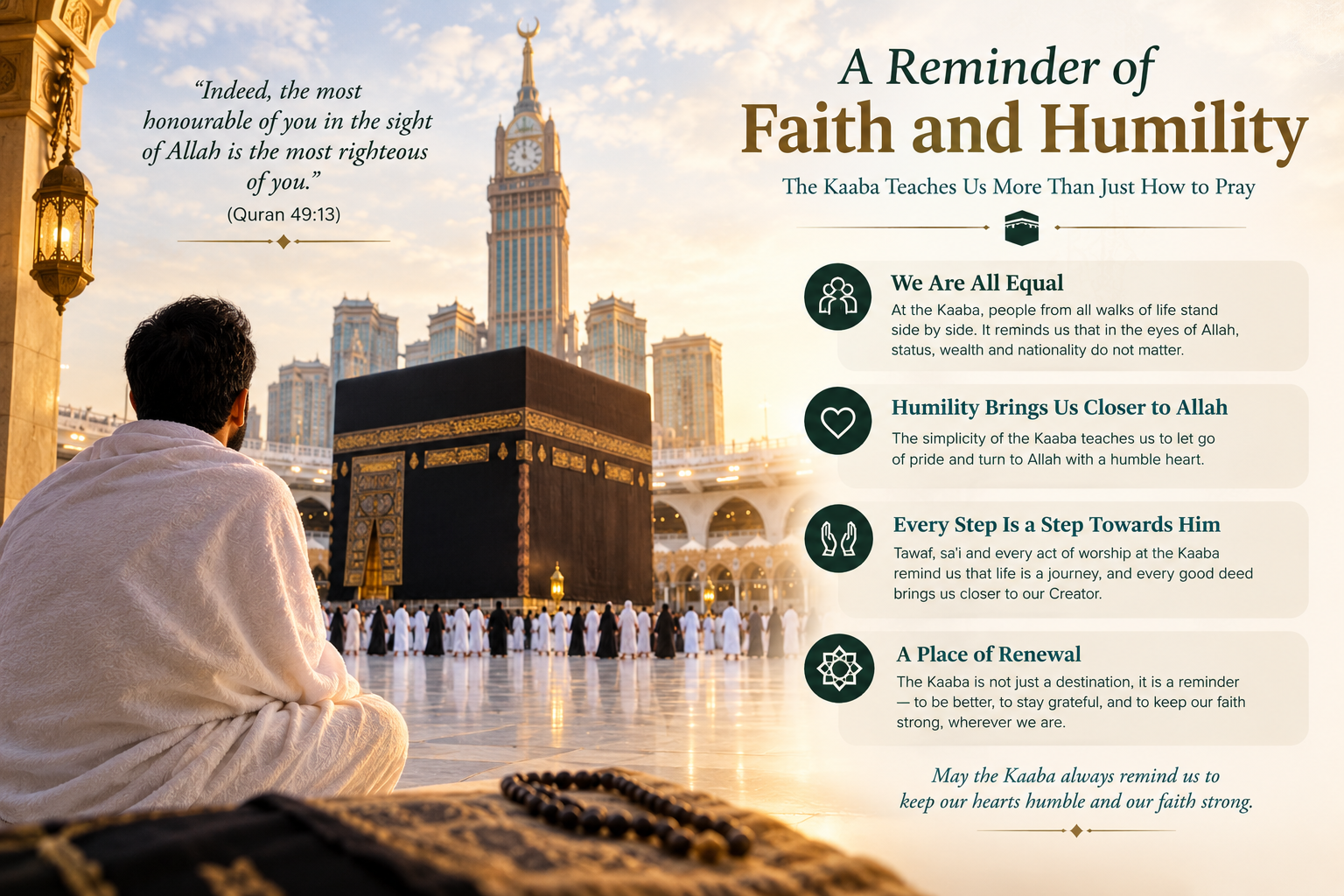
Standing near the Kaaba can remind Muslims of the unity of the Muslim community and the importance of submitting to Allah. The experience of making dua can be meaningful even when a pilgrim cannot physically reach Multazam.
Remember that the value of worship does not depend on touching a particular wall or securing a specific location.
What Dua Should You Make at Multazam?
There is no single universally prescribed dua that every pilgrim must recite at Multazam. Muslims can ask Allah for whatever is good and permissible, using authentic supplications from the Quran and Sunnah or their own words.
Here is a simple dua you can make:
Arabic:
اللَّهُمَّ اغْفِرْ لِي وَارْحَمْنِي وَاهْدِنِي وَارْزُقْنِي
Transliteration:
Allahummaghfir li, warhamni, wahdini, warzuqni.
Meaning:
O Allah, forgive me, have mercy on me, guide me, and provide for me.
You can also ask Allah to accept your Hajj or Umrah, forgive your sins, protect your family, ease your difficulties, and grant you goodness in this life and the Hereafter.
This is a general supplication, not a prayer that must be recited specifically at Multazam. You may also make dua in your own language.
How to Make Dua at Multazam Respectfully
If you visit Multazam during your pilgrimage, keep these points in mind:
Approach only when it is safe and permitted.
Make sincere dua without disturbing other worshippers.
Avoid pushing, blocking pathways, or causing discomfort.
Do not believe that touching the wall is compulsory for Hajj or Umrah.
Follow the guidance of mosque authorities, especially during crowded periods.
If the area is inaccessible, make your dua from another suitable place in Masjid al-Haram. Your worship does not become invalid because you cannot reach Multazam.
Is Multazam Part of Hajj or Umrah?
No, visiting Multazam is not an obligatory ritual of Hajj or Umrah. The required rites must be performed according to the established rules of each pilgrimage.
Some pilgrims choose to make dua at Multazam when an opportunity arises. However, crowd safety and respect for fellow worshippers should always come first.
Pilgrims should also avoid treating optional practices as compulsory religious requirements. For detailed religious questions, consult a knowledgeable and trusted Islamic scholar.
The Kaaba Kiswah and Its Sacred Heritage
The Kaaba is covered by the Kiswah, the specially prepared black covering decorated with Quranic calligraphy and intricate embroidery. Its craftsmanship and religious history make it an important subject for Muslims interested in Islamic heritage.
If you are learning about the Kaaba, exploring the history of the Kaaba Kiswah can deepen your understanding of the craftsmanship associated with this sacred structure. The embroidered inscriptions, carefully prepared fabric, and traditional production process are all important aspects of its heritage.
At Kiswah Al Kabah, visitors can explore information and available offerings related to Kaaba Kiswah and Islamic heritage. If you are researching a Gilafe Kaaba piece, Kiswah Kaaba calligraphy, or wondering how to buy authentic Kaaba Kiswah, review the product descriptions and available provenance or authenticity documentation before making a purchase.
Conclusion
Multazam is the section of the Kaaba's wall between the Black Stone and its door. Many Muslims associate this location with heartfelt dua, repentance, and personal supplication.
Although visiting Multazam is not compulsory during Hajj or Umrah, it can be a meaningful experience when approached respectfully and safely. You do not need to touch the wall or recite a particular formula to ask Allah for mercy and guidance.
Explore the heritage of the Holy Kaaba with Kiswah Al Kabah. Visit Kiswah Al kabah to discover more about the Kaaba Kiswah, its calligraphy, and the Islamic traditions connected with this sacred place.